The Donadodoo on Stage
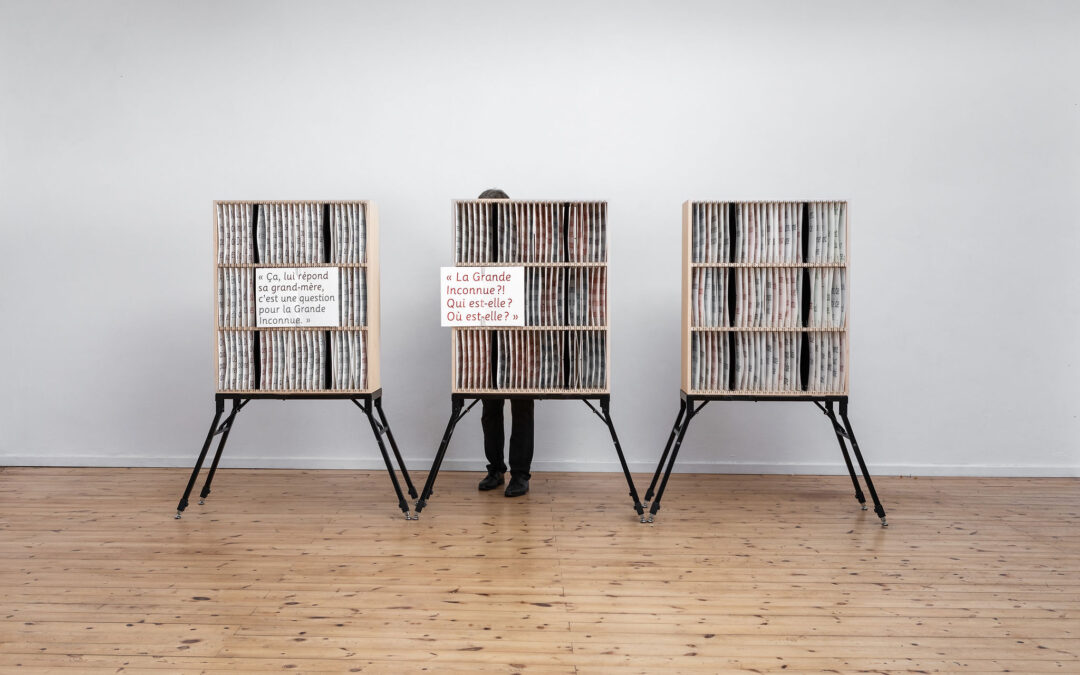
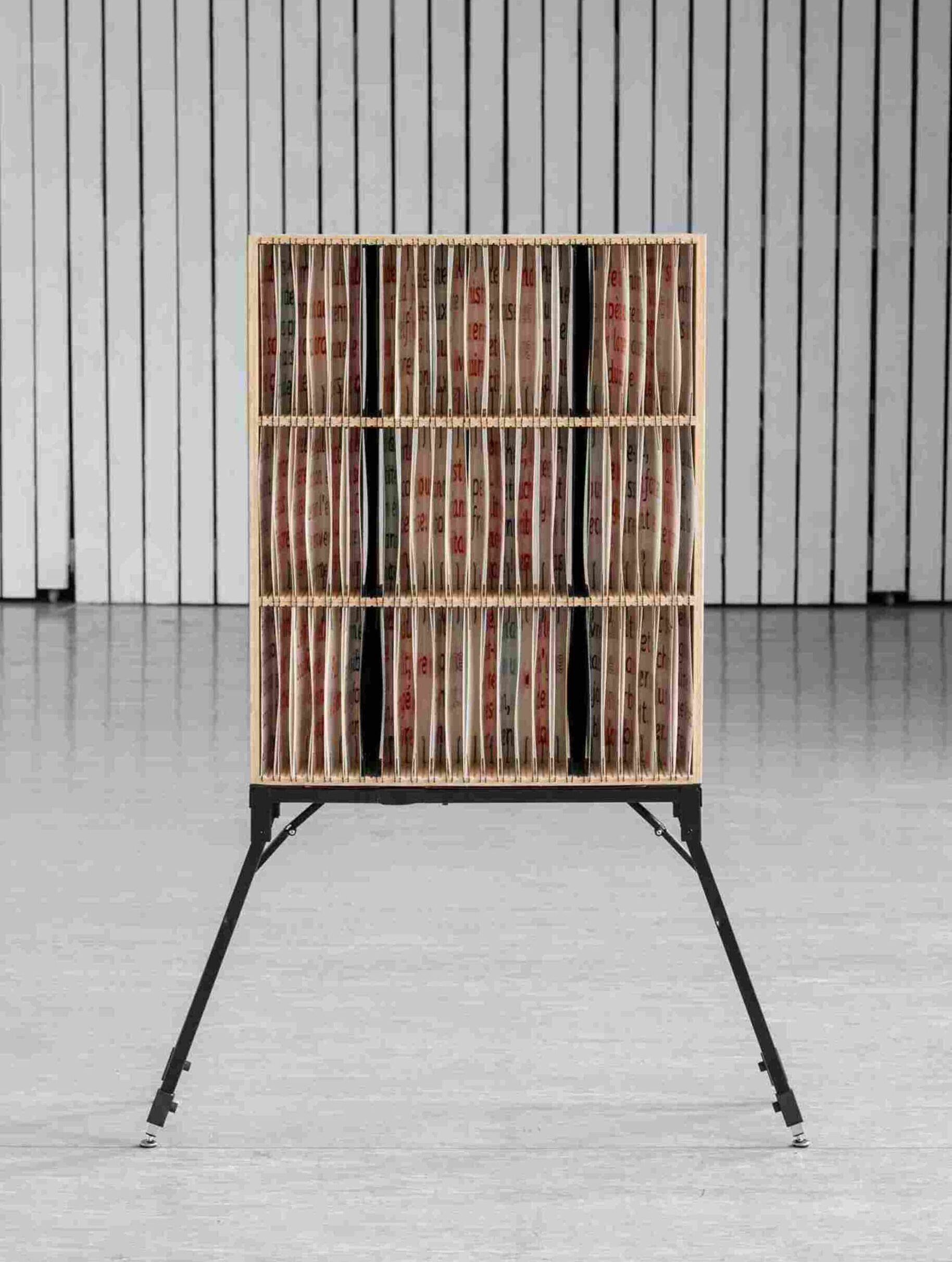
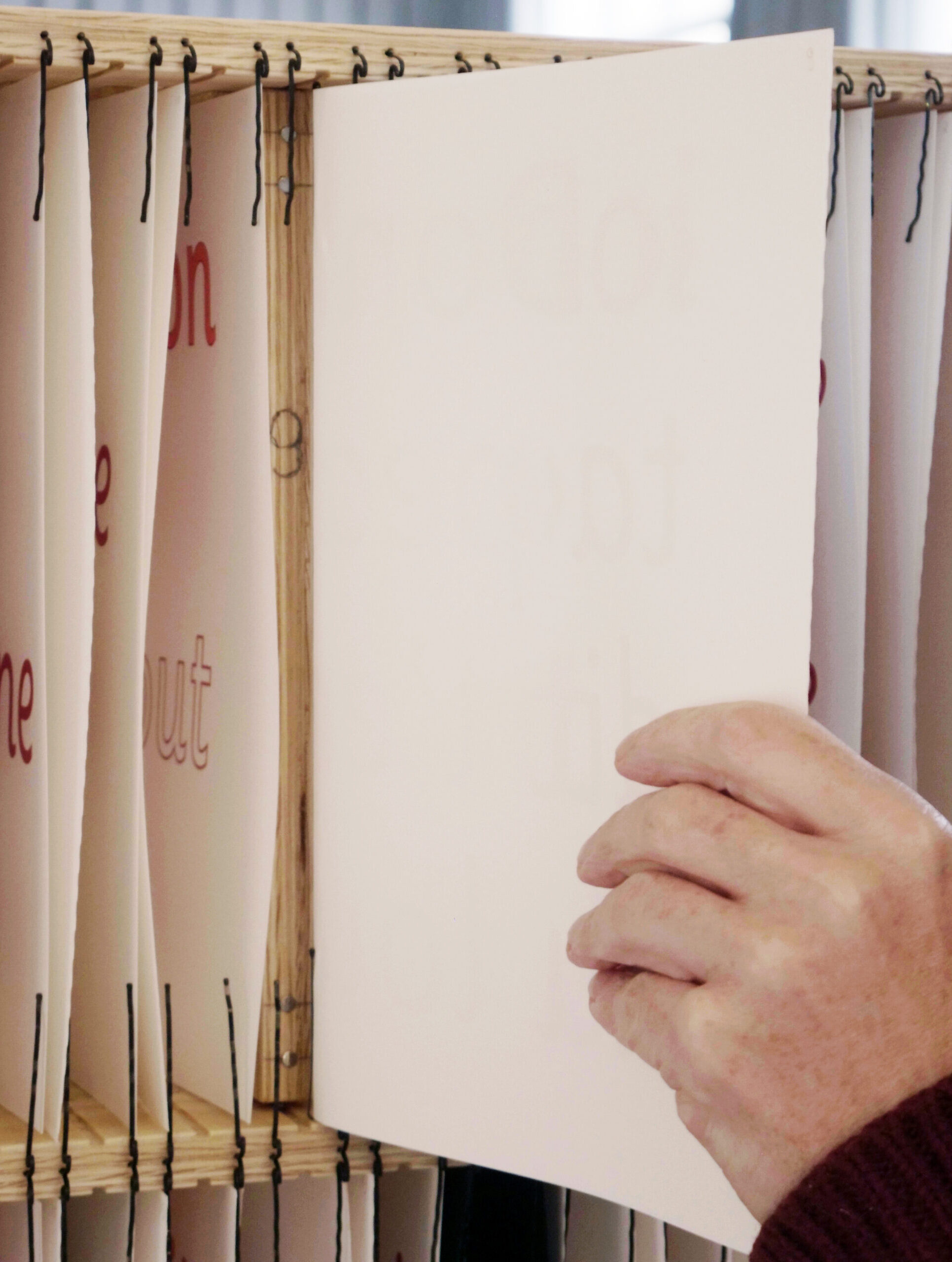
Measuring 100 cm high, 80 cm wide and 26 cm deep, The Donadodoo contains 450 steel pins, 300 magnets and, especially, 75 A3 sheets of paper folded in half which can be opened and closed by sliding keys to reveal a written story.
All the stories (downloadable bellow) are presented in the language of the host country.
There are two formats for the performances: either a single 60-minute session featuring a long story told by three Donadodoo puppets, or – in the style of a puppet theatre – several 20-minute sessions spread over a day or a weekend (the same short story repeated several times or different short stories).
The ‘long story’ shows are performed on a theatre stage; the ‘short stories’, presented in a single Donadodoo, can take place in open spaces such as a museum hall or within a library. In all cases, the maximum capacity is one hundred spectators.
The stories featured here were all written specifically for the Donadodoo by Patrick Corillon. They are experienced both physically and mentally. The structure of the text is closely linked to that of the machine: pages and sentences unfold in a single movement.
The Donadodoo: At the Crossroads of the Arts
The Donadodoo can be considered a musical instrument that produces subtle and varied sounds as pages open and close, paper slides across wood, and, when there are children in the room, as they whisper while reading aloud.
The Donadodoo contains a touch of utopia in the sense that it seeks to approach the ‘Absolute Book’ dreamed of by Stéphane Mallarmé. But it can also be considered an authentic design object; a ‘reading machine’ based on principles of production and distribution, balance between form and content, and the search for simple and intuitive functionality.
While the Donadodoo is an innovation in the world of printed paper, it is nevertheless based on deep-rooted traditions in both the West and the East. When folded, the pages reveal coloured letters like birds in an aviary; when unfolded, regardless of the direction of reading specific to the writing system, they give a crucial role to the art of calligraphy or typography. The nature of the paper used, the simplicity of the wooden furniture (assembled without a single screw), the stories themselves (fables in which animals and humans are placed in an allegorical universe) – all these elements call on Donadodoo to seek out opportunities for exchange between different cultures around the world: paper-making based on each culture’s expertise, presentation of stories in the writing of the host country (Arabic, Japanese, Devanagari, Thai, Hanja, etc.).